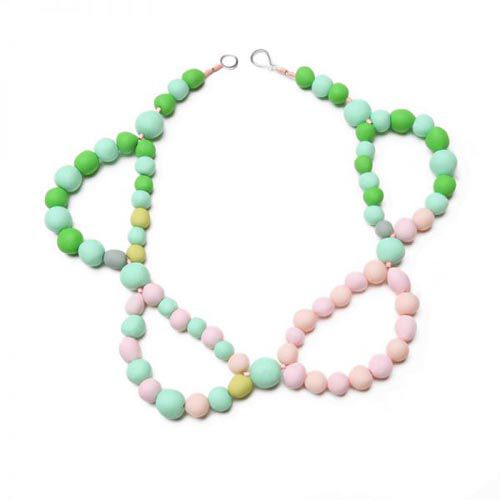
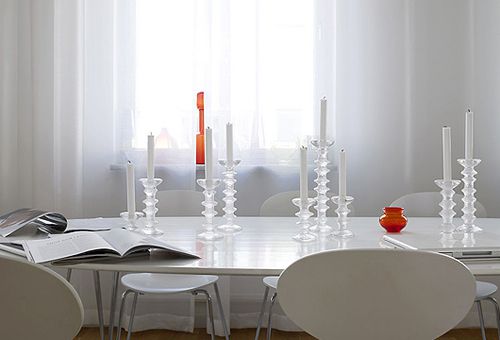
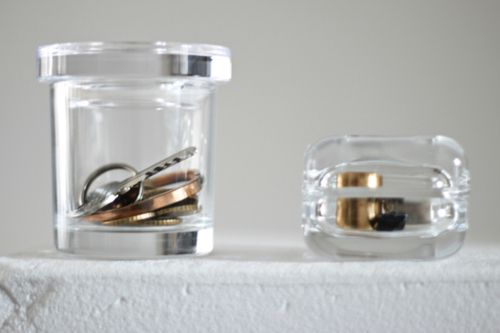
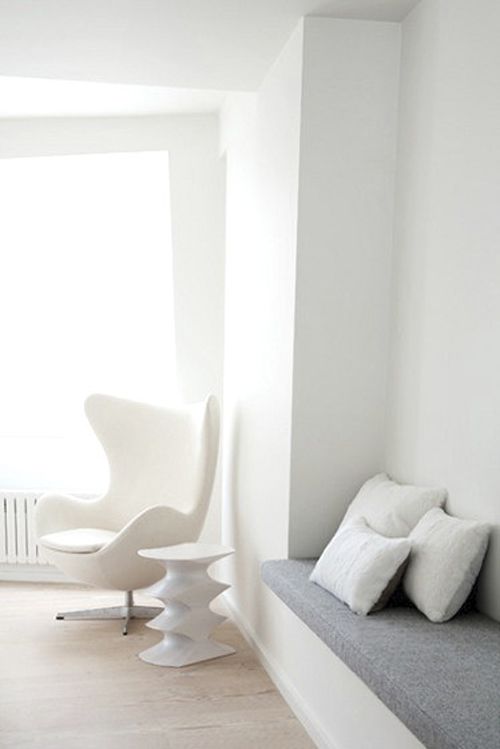
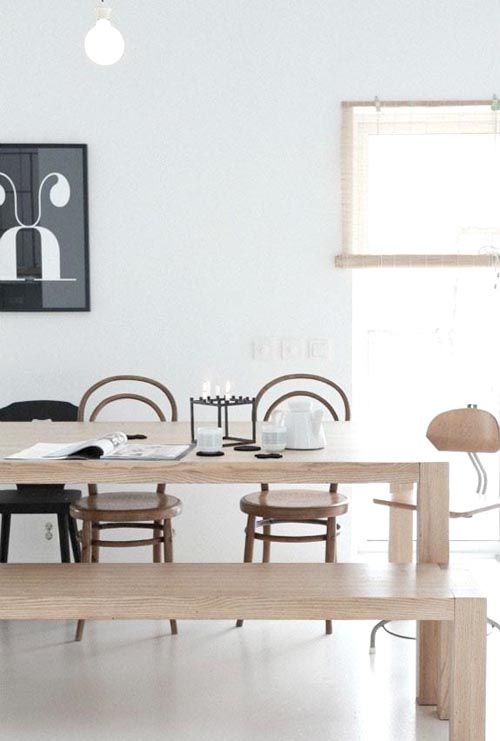
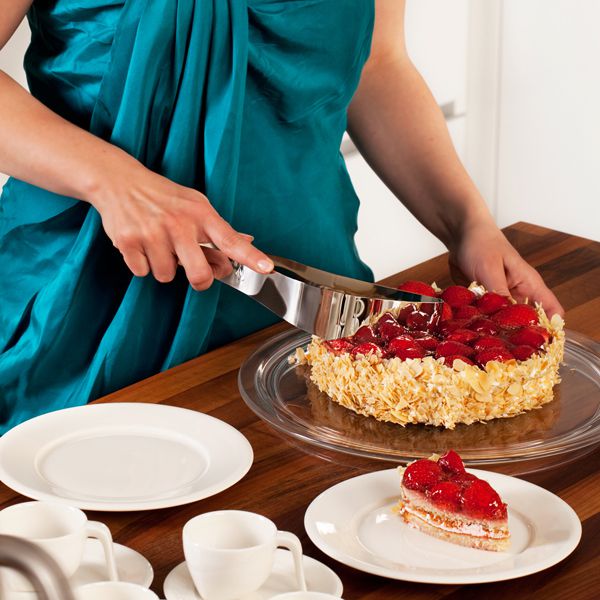
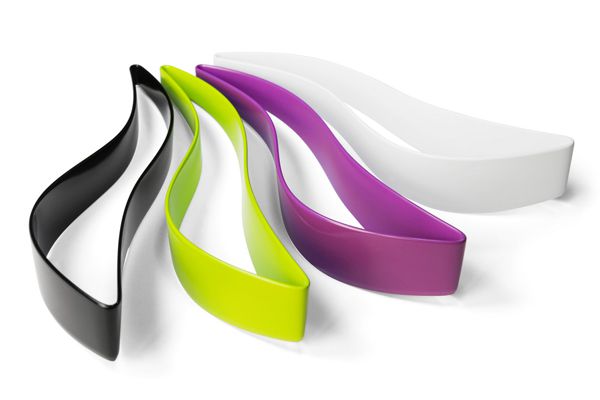
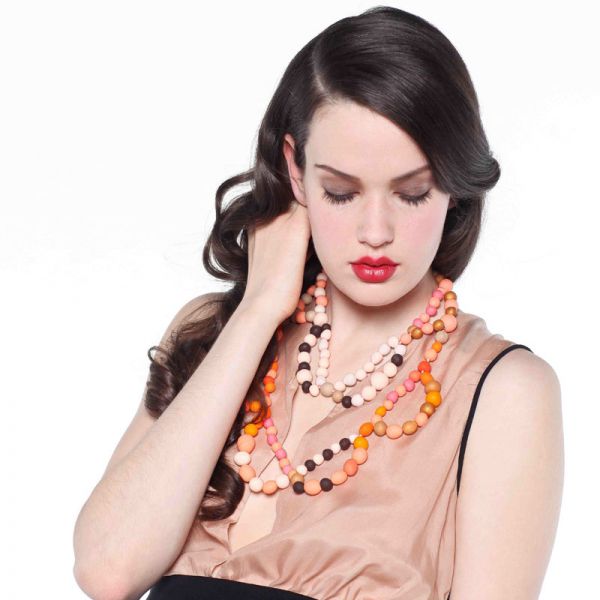
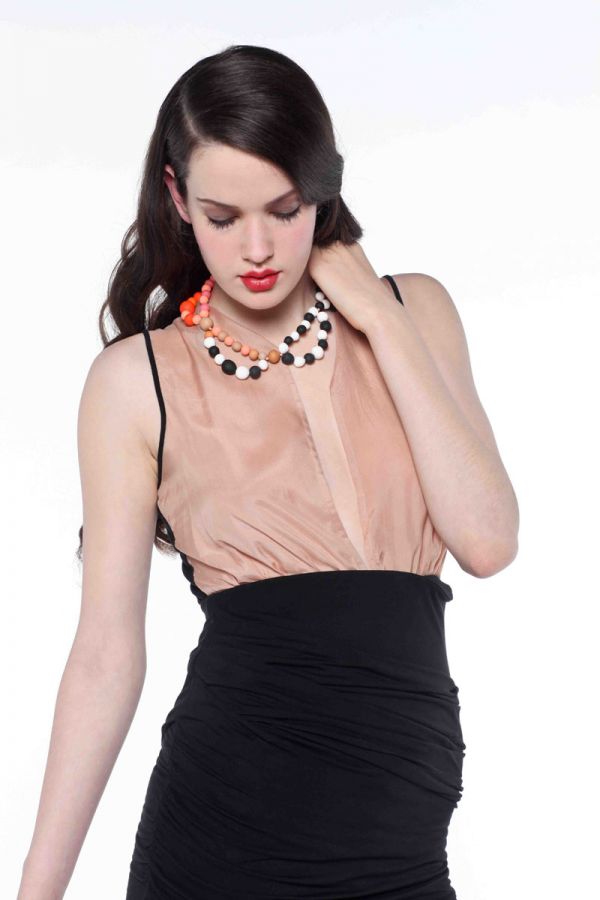
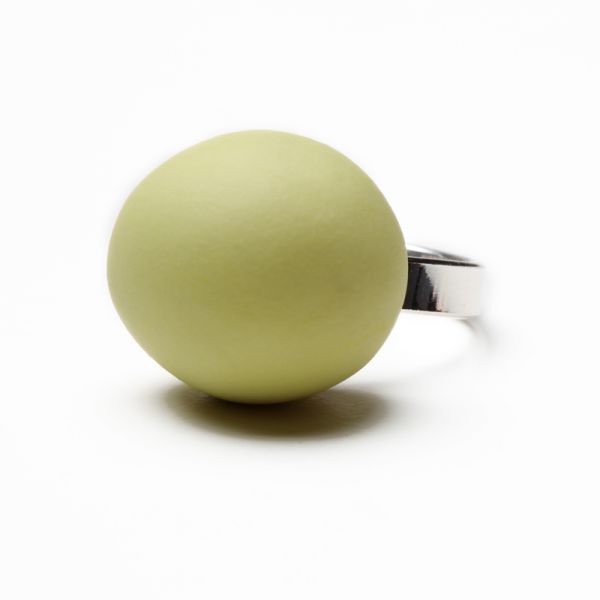
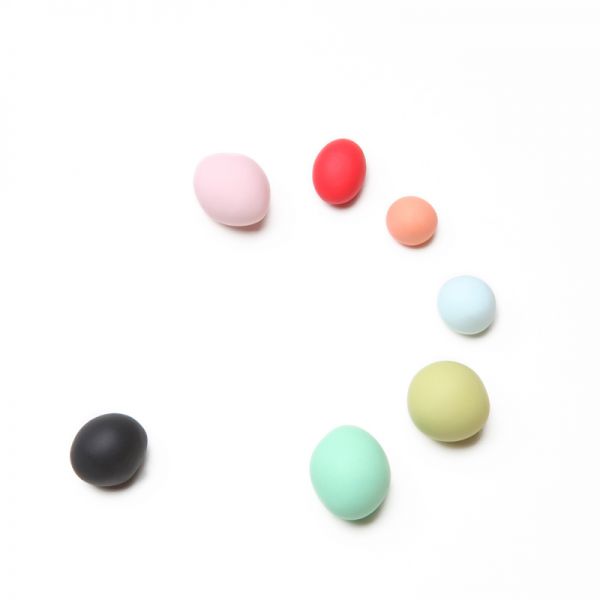
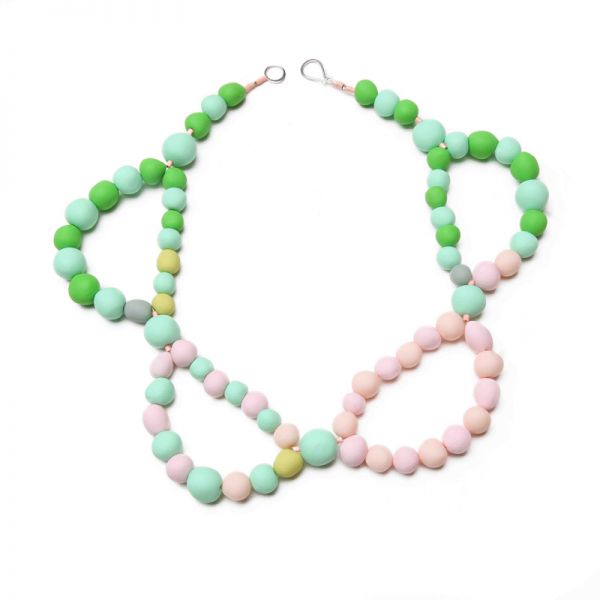
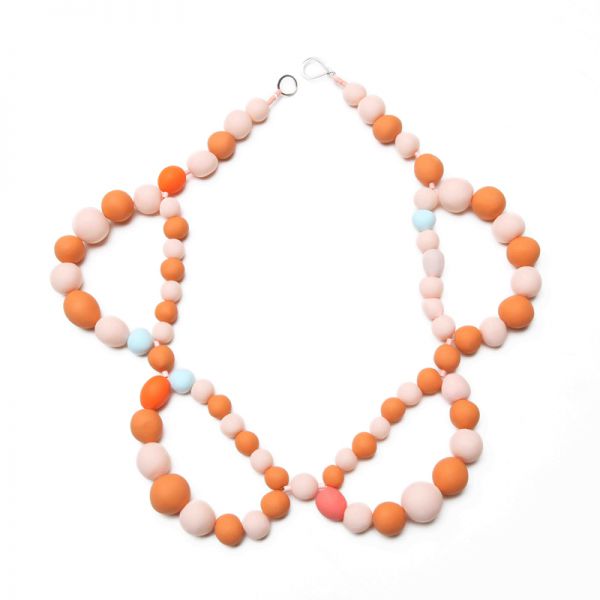
Ingibjörg Hanna kynnti á nýliðnum Hönnunarmars flotta sniglasnaga.
Sniglarnir fengu frábærar viðtökur og fást þeir nú í Epal.


Þeir eru flottir margir saman, og eru í nokkurskonar kapphlaupi upp vegginn haldandi á fötunum þínum og skarti.


Eyjólfur Pálsson húsgagnahönnuður og kaupmaður í Epal:
Hlúum að íslenskri hönnun
Íslensk hönnun, gæði hennar og velgengi, hefur verið mér hugleikin um langt árabil. Íslenskum hönnuðum fjölgar jafnt og þétt. Tilkoma Listaháskóla Íslands, sem og starf undirbúningsdeilda í hönnun við Iðnskólann í Reykjavík og Hafnarfirði, hefur orðið til þess að áhugi á hönnun hefur vaxið ört. Ef til vill mætti þó áhugi hins opinbera á íslenskri hönnun vera enn meiri og koma betur fram í verki, til dæmis þegar val stendur á milli íslenskrar og erlendrar hönnunar.
Varla líður sá dagur að ekki þurfi að velja búnað í opinberar byggingar, fyrirtæki, samkomuhús eða á heimili landsmanna. Ég vil því hvetja þá sem að málum koma að hugleiða fyrst af öllu hvort ekki megi finna það sem leitað er að meðal verka okkar ágætu íslensku hönnuða. Ég veit vel að ekki er alltaf hægt að velja það sem íslenskt er, en í guðanna bænum, gefið íslenskri hönnun tækifæri. Kannið hvað íslenskir hönnuðir hafa fram að færa og hver veit nema þar finnist einmitt það sem hentar hverju sinni. Ef ekki þá verður að sjálfsögðu að leita annað og mætti jafnvel flétta saman íslenska og erlenda hönnun
Þess eru dæmi að efnt hafi verið til samkeppni um hönnun húsgagna fyrir ákveðin verkefni, eins og t.d. í Höfða. Þrír íslenskir aðilar komu með hugmyndir og í lokin var ein tillagan valin og húsgögn smíðuð eftir henni. Mjög vel tókst til og sama má segja um búnaðinn í Hátíðasal Háskóla Íslands sem og bekki og stóla sem hannaðir voru sérstaklega fyrir Hæstarétt. Gott dæmi um val á íslenskri hönnun er búnaður í húsnæði Sambands íslenskra sveitarfélaga í Borgartúni. Þar reyndu menn af fremsta megni að velja íslenska hönnun og í lokinn var útbúinn lítill upplýsingabæklingur um húsgögnin og listaverkin og höfunda þeirra. Utanríkisþjónustan hefur einnig lagt sitt af mörkum til stuðnings íslenskri hönnun með því að prýða sendiráð og sendiráðsbústaði víða um heim með íslenskum húsgögnum og öðrum búnaði og er það vel.
Ekki þarf endilega að hengja sig bara í húsgögn þegar hugsað er til íslenskrar hönnuðar. Það sést best á því að íslensk fatahönnun verður æ meira áberandi og konur, sérstaklega í opinbera geiranum, klæðast nú gjarnan fötum sem þekktir íslenskir fatahönnuðir hafa hannað. Fleiri mættu nýta sér þennan möguleika og gott dæmi þar um er að Steinunn Sigurðardóttir hefur hannað nýja flugfreyjubúninga fyrir Icelandair og sækir innblástur í íslenska náttúru og sögu félagsins.
Þegar fyrirtæki og stofnanir, og auðvitað almenningur líka, kaupa gjafir ætti skilyrðislaust að skoða íslenska hönnun fyrst. Mikið er til af íslenskhannaðri gjafavöru; hnífapör, bollar, fatahengi, karöflur, hillur, kollar, mottur, vasar og glös, allt íslenskt. Ég er ekki að segja að eingöngu skuli kaupa íslenskt en falli það að smekk og aðstæðum er rétt að skoða fyrst það sem íslenskt er.
Þegar rætt er um nýsköpun finnst mér grundvallaratriði að menn hugsi út í að hlutir séu söluvænlegir. Ef hönnun er aðeins skúlptúr, minnismerki hönnuðar, verða ekki framleidd nema örfá eintök hluturinn verður ekki settur í framleiðslu né fjöldasölu. Afraksturinn verður lítill sem enginn og hönnuðurinn fær ekki einu sinni sín höfundarlaun. Verk hans vekur athygli í smátíma en selst ekki og býr ekki til neina peninga! Allt snýst þetta í raun um að skapa atvinnu.
Skoðun mín er sú að opinberir aðilar þurfi að ganga á undan með góðu fordæmi, velja íslenskt og hvetja þar með hæfileikaríka íslenska hönnuði til dáða. Oft var þörf en nú er nauðsyn.
FRIDAY 22 SEPTEMBER 2000
VISUAL ARTS
Epal, Hverfisgata 20 mixed technique
Daníel Magnússon, Gabríela Friðriksdóttir, The Happening Club, Hallgrímur Helgason, Haraldur Jónsson, Hrafnkell Sigurðsson, Hulda Hákon and Húbert Nói. Until 24 September. Open during business hours
Twenty five years ago Eyjólfur Pálsson founded the company Epal, called it after himself and started a fight to make Icelanders pull themselves together and start to think seriously about design. Although this fight might just have started and many victories are still to be won concerning tastefulness and embellishment, Eyjólfiur managed to prove to Icelanders the importance of fine and original design. He even got them to buy fine design, furniture together with furnishings.
Certainly, what became an obstacle to sophisticated design during the first decades of the century, was that the manufacture was far from being competitive. What the designer of the Bauhaus school thought of as potential public domain was far too expensive to produce.
During the passed decades these obstacles have been eliminated, or at least, the productions costs of artistic design have been reduced so that it is now affordable to a much larger group than in the first part of the century. And design is the type of art that touches the heart of most Icelanders. A nation, which is, as seriously as the Icelanders, searching for its identity, must easily fall for art which is as descriptive for the owner. So long as people allow themselves to look around everybody understands design.
In design there are always certain expectations on mass production if the prototype is a success. Thus, there is much more money in all kinds of design than i socalled free – or more correctly unapplied – art. It may be presumed that Eyjólfurs success is, apart from his daring and energy, due to a boom in all kinds of design in the West during the past two to three decades.
For the celebration of the anniversary Eyjólfur established a co-operation between Epal and a couple of artists in order to illuminate the connection between design and visual arts. This is of course not a innovation in itself as artists have for a long time practised impregnation between visual arts and design.Among some of the most famous visual artists in Europa are some fine candidates for furniture designers. One might mention the Austrian Franz West, the Swiss John Armleder and the German Tobias Rehberger of whom the last one expresses himself almost entirely as a designer.
It is not possible to say about the artists contributing to Epal’s anniversary exhibition that they work like designers, they rather take aim at design. Although one of them, Daníel Magnússon, works as a cabinetmaker, he makes a clear distinction between that part of his work and the art. By the way, he made use of his wood work skills in his former works, but since he took the photograph into his service, he has been distinguishing very clearly between his design and his art. His photographs of traditional furniture are not least strikingly beautiful and capable of sharpening the debate on furniture making, in connection with objects and means.
Gabríela Friðriksdóttir displays a painting of a black eyas which seems to be tearing apart a worm.. The bonds between the painting and the armchair in front of it are obvious, although each piece might easily be presented together with something else. In the vicinity can be seen Haraldur Jónsson’s double-bed with a forest of lamps around it. On the blankets he has marked the contours of a couple in the same way as the police marks up the body contours after an accident or a murder. Thus Haraldur presents this empty doble-bed as a forum where both the beginning and the end of life can be found.
In the corner hangs Hallgrímur Helgason’s cartoonlike picutre of a dining table with a multicopied Grim, his self-portrait known by most people due to the whalrusrteethes and the Pinoccio-nose. In front of the work is of course the fine dining table, certainly empty, but indeniably loaded with the spirit of Hallgrímur’s word. Slantwise against it is Húbert Nói’s painting, a hyper-realistic picture of Fritz Hansen’s Viper-partition, but because the motive is regular, the realistic painting of it becomes abstract.
Slantwise from there The Happening Club has placed a nicely designed teddy bear similar to a simple logo in the roof of the room. Around it are the light bags of the store and they form a protecting frame around the rag animal. Near to it Hulda Hákon has chosen to put together a sofa of three units and a triple relief of fire tounges and text. The harmony is perfect and the colours fit well together. Hulda’s work thus becomes true room art, visual art aligned with the furniture. By the side of it is Hrafnkell Sigurðsson’s photo of two combined footboards with af real footboard in front of it. The object and the photo tussles to get the attention.
Slantwise against Hrafnkell is an egg-shaped chair hanging besides a large photo of the two companions Einar Örni Benediktsson and Stephan Stephensen – Steph – and they smile completely nude like overgrown putti from an Italian renaissance work. It looks as if the nudity is supposed to refer to the softness of the hanging egg-chair and to the fact that human youngs are born naked.
Although the exhibition is possibly rather short, it is a notable attempt to reconcile the dogs and the cats that designers and inapplied artists have been in this country. The room is fantastic just like the exhibitors’ art and the furnitur of the 25 years old store.
Halldór Björn Runólfsson